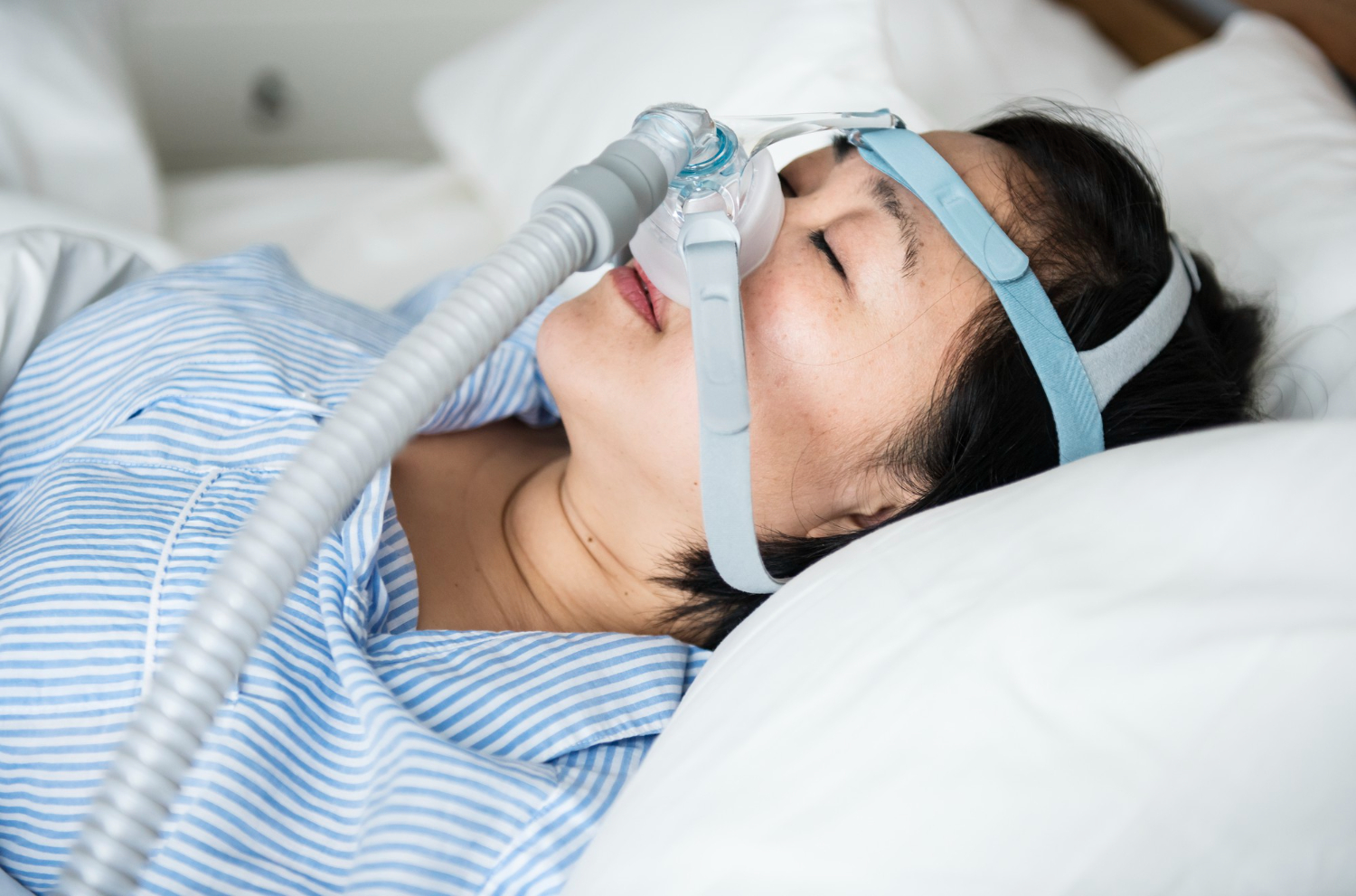
Sleep apnea treatment is a widespread sleep-related breathing disorder that can slow or interrupt breathing during sleep and harm your quality of life. If you snore loudly, feel tired during the day, or sleep poorly, knowing your treatment options is a helpful starting point.
Discover sleep disordered breathing using dental approaches our Portland dental team at Bridgetown Dental investigates sleep disordered breathing options, utilizing oral appliances where appropriate. When you come in to see us we can help decide if dental treatment might be right for you.
Short Summary
Sleep apnea treatment CPR, appliance, lifestyle, and other medical treatments are available. Sleep Apnea treatment in Portland When considering sleep apnea treatment in Portland, for example at Bridgetown Dental, the conversation may begin with dental sleep medicine and how we may evaluate your needs. Diagnosis, treatment, and continued care can be safe and effective.
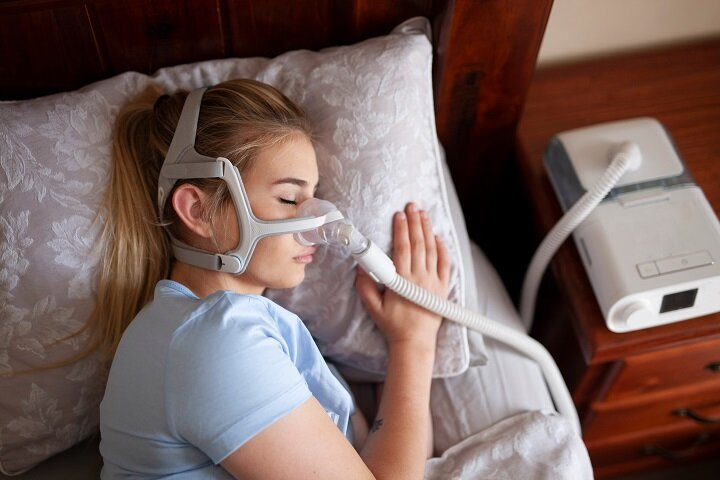
What Is Sleep Apnea Treatment?
Sleep apnea is a sleep disorder characterized by pauses in breathing or instances of shallow breathing during sleep. Breathing pauses can lead to drops in oxygen levels, which affect sleep quality and your overall health as well as daytime fatigue.
The two main types include:
- Obstructive Sleep Apnea (OSA): Occurs when the upper airway becomes blocked or collapses during sleep.
- Central Sleep Apnea (CSA): Occurs when the brain temporarily fails to send the appropriate signals to the muscles responsible for breathing.
Obstructive sleep apnea is commonly addressed through dental sleep medicine, but treatment depends on the type and severity of the condition.
What Are the Common Symptoms of Sleep Apnea?
Recognizing possible symptoms can help you determine when to seek professional evaluation.
Common signs include:
- Loud or persistent snoring.
- Pauses in breathing during sleep, sometimes noticed by a partner.
- Gasping or choking during sleep.
- Excessive daytime sleepiness.
- Morning headaches.
- Difficulty concentrating.
- Dry mouth upon waking.
- Restless or unrefreshing sleep.
Important: Snoring alone does not confirm sleep apnea. A healthcare professionalist should assess symptoms and arrange appropriate diagnostic testing.

When Should You Consider Sleep Apnea Treatment?
You may want to discuss sleep apnea evaluation with a healthcare professional if you regularly experience symptoms such as:
- Loud snoring accompanied by breathing pauses.
- Waking up gasping or choking.
- Persistent daytime fatigue despite adequate time in bed.
- Difficulty concentrating or feeling refreshed after sleep.
- A partner noticing abnormal breathing patterns at night.
Untreated sleep apnea may have significant health consequences such as cardiovascular complications and daytime fatigue. An initial assessment may lead to a treatment plan.
What Is the Sleep Apnea Procedure at a Dental Clinic?
The sleep apnea procedure at a dental clinic typically involves evaluation, coordination with a sleep physician, oral appliance selection when appropriate, and ongoing monitoring. The exact process varies depending on the patient’s diagnosis and treatment needs.
Sleep Apnea Treatment Process
How Can Bridgetown Dental Help With Sleep Apnea?
Bridgetown Dental provides dental care and can serve as a point of contact for patients exploring dental sleep medicine.
Patients interested in sleep apnea treatment can discuss:
- Symptoms that may suggest sleep-disordered breathing.
- Whether dental evaluation is appropriate.
- Oral appliance therapy for suitable patients.
- Coordination with a sleep physician.
- Follow-up care and oral health considerations.
Treatment availability, specific devices, and clinical services should be confirmed directly with the practice.
Is Oral Appliance Therapy Right for Everyone?
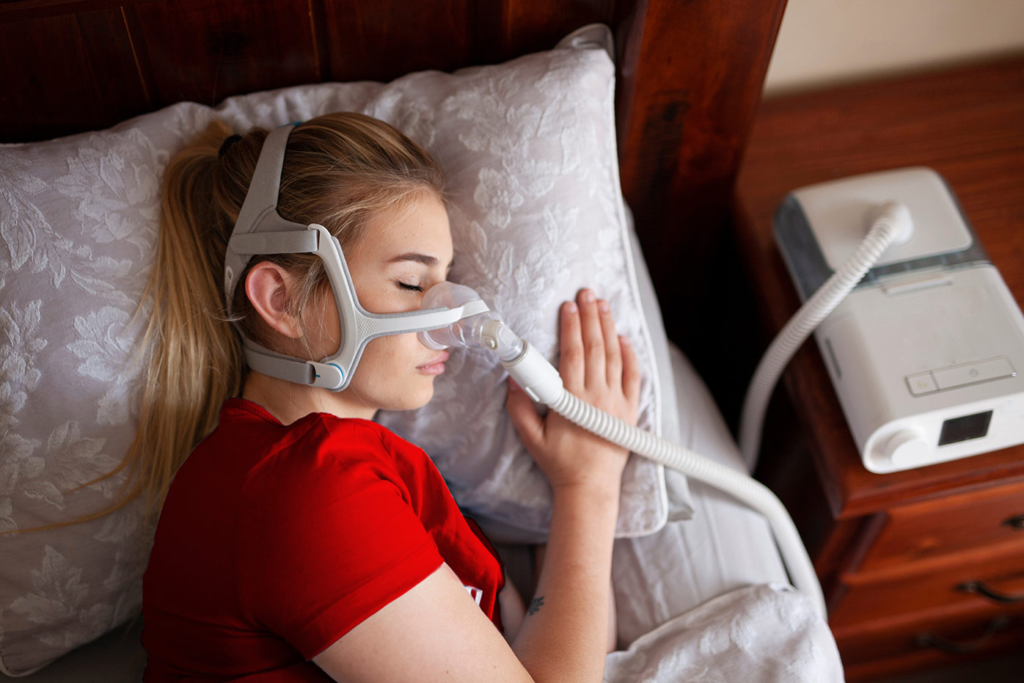
Not everyone. Oral appliance therapy is not suitable for all patients with sleep apnea. Usually, CPAP is the first choice treatment for those with diagnosed sleep apnea, but oral appliance therapy may be suitable in some cases.
A sleep doctor qualified in sleep medicine and the dental treatment provider should assess who is an ideal candidate. This may be based on severity of sleep apnea, dental health, jaw health, and compliance with treatment.
CPAP may still be the recommended treatment for severe OSA. For mild to moderate OSA, consider other non-surgical treatments, such as oral appliances.
Frequently Asked Questions About Sleep Apnea Treatment
What is the most common treatment for sleep apnea?
CPAP therapy is a common treatment for obstructive sleep apnea. Oral appliance therapy may be appropriate for selected patients, depending on diagnosis, severity, and clinical circumstances.
Can a dentist help with sleep apnea?
Yes. Dentists trained in dental sleep medicine can evaluate patients for oral appliance therapy and coordinate care with sleep physicians. Diagnosis and treatment planning should be based on appropriate medical evaluation.
What is the sleep apnea procedure for an oral appliance?
The process generally includes consultation, diagnosis confirmation, treatment planning, custom appliance fitting, and follow-up monitoring. The exact steps depend on the patient’s condition.
Is sleep apnea therapy effective?
Sleep apnea therapy can be effective when appropriately selected, correctly used, and monitored. Effectiveness varies by treatment type, diagnosis, and individual patient factors.
How do I find a sleep apnea clinic in Portland?
Look for a qualified provider offering appropriate evaluation, sleep physician coordination, personalized treatment, and follow-up care. Confirm the clinic’s services and credentials before scheduling.