


New patients are always welcome. Call 503-286-5654
Contact

TMJ, Jaw Pain & Facial Pain Treatment

Jaw Pain, Headaches, or Clenching That Keeps Coming Back?

You deserve more than another temporary fix.

Jaw pain, headaches, clenching, clicking, and facial tension can be connected. We take the time to understand the pattern, look for contributing factors, and help you make sense of what’s going on.

Jaw & Muscle Evaluation

Advanced TMJ Training

Conservative Care First

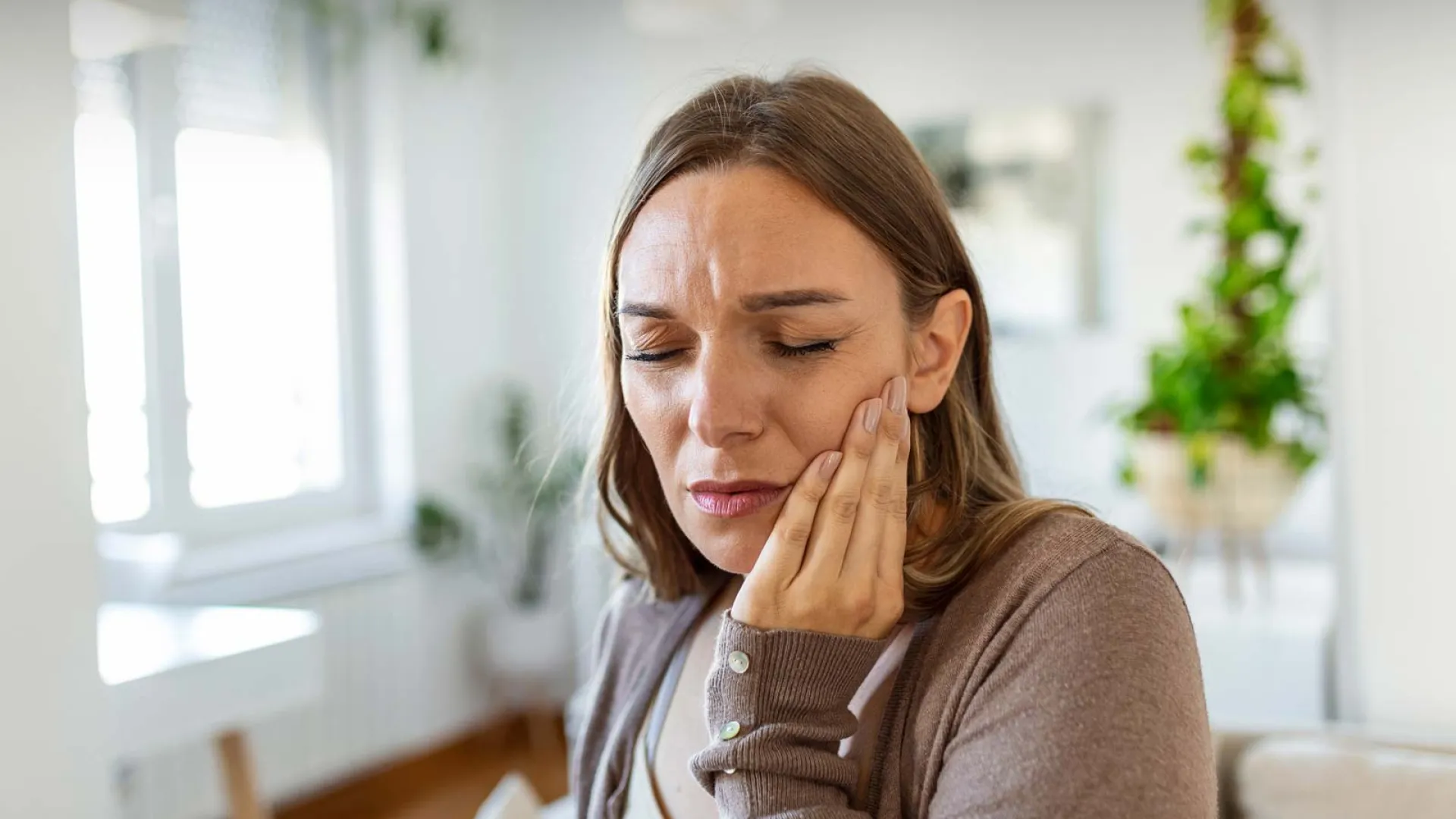
Woman holding her jaw, feeling TMJ pain

2-Minute Self-Assessment

See What Your Jaw Symptoms May Be Telling You.

Answer a few questions and see whether a closer TMJ evaluation may be worthwhile.

Start the Assessment

How TMJ Care Works Here

Understand the cause. Treat conservatively.

Good treatment starts with understanding what’s actually contributing to the problem.

01

Start With Your Pattern

We begin with your history: where you hurt, when symptoms appear, what makes them better or worse, and how clenching, headaches, jaw noises, limited movement, or facial tension affect everyday function.

02

Evaluate the Joints, Muscles & Bite

The examination may include the jaw joints and surrounding muscles, bite relationships, jaw movement, tooth wear, clenching or grinding patterns, previous injury or dental history, and imaging when it can add useful information.

03

Look Beyond the Jaw When It Matters

TMJ symptoms do not always come from one source. Relevant sleep and airway symptoms, nighttime clenching, muscle tension, and other contributing factors may be considered when the history or examination suggests they could be part of the picture.

04

Match Treatment to What We Find

Care is individualized rather than based on a one-size-fits-all protocol. Depending on the findings, treatment may include bite strategies, orthotic appliances, muscle-focused therapy, behavioral or supportive measures, and coordination with another provider when appropriate. MLS Laser Therapy may also be used as an adjunct for muscle or joint discomfort.

05

Reassess Function & Symptoms

We follow how your pain, jaw movement, muscle tenderness, headaches, clenching, and day-to-day function respond. The plan can then be adjusted based on what is actually improving rather than assuming the first approach is the final one.

Advanced training through Dr. Steven Olmos Mini-Residency

Advanced TMJ Training

Dr. Steven Olmos Mini-Residency

Advanced continuing education focused on TMJ disorders, craniofacial pain, sleep, airway, and the relationships among the jaw joints, muscles, bite, and surrounding structures.

Explore Dr. Kaady’s TMJ & Orofacial Pain Training

Planning Beyond Symptom Relief

What Happens After Your Symptoms Improve?

For some patients, reducing pain and improving jaw function is only the first phase of care.

01

Stabilize

Reduce pain, improve comfortable jaw movement, and allow the initial treatment response to become clearer.

02

Reassess

Evaluate how the teeth, bite, muscles, and jaw joints are working together after symptoms and movement have stabilized.

03

Plan What Comes Next

When appropriate, this may include orthodontic tooth movement, restorative care, continued appliance therapy, collaborative care, or no additional treatment.

Phase 2 is never automatic. It is considered only after the initial response to treatment has been evaluated and the long-term options have been discussed with the patient.

Patient Story · TMJ & Sleep

A Real Patient Experience

Patient Experiences

What Patients Say

Every patient arrives with a different story. Here are a few experiences related to this area of care.

Google review

Jaw-Focused Care

“My son is getting his balance and equilibrium restored starting with realigning his jaw, in addition to having healthy teeth and gums. We are so impressed with Dr. Kaady and the wealth of knowledge he brings to the table.”

Ashley Campion

See Patient Stories

TMJ & Jaw Pain Questions

Clear Answers for Feeling Better.

Questions about jaw pain, headaches, clenching, or treatment? Here are a few answers patients commonly find helpful.

What causes TMJ symptoms?

TMJ symptoms may involve muscle tension, bite instability, airway dysfunction, clenching, joint stress, poor sleep, inflammation, or multiple factors together.

Yes, sometimes. Headaches can be related to TMD, but they have many possible causes, so we don't automatically assume the jaw is to blame.

Not always. Stress is common, but sleep, certain medications, caffeine, alcohol, and other factors may also play a role. We look beyond any one cause.

Most TMJ cases are treated conservatively first through diagnosis, bite evaluation, airway assessment, muscle therapy, orthotics, and supportive therapies.

Dr. Ziad Kaady, DMD

Clinical Review & Further Reading

Reviewed by Ziad Kaady, DMD

Diplomate, American Sleep and Breathing Academy · Advanced training in TMJ, orofacial pain & dental sleep medicine

Last reviewed: August 2026

Meet Dr. Kaady

Evidence & Education

Clinical Resources & Further Reading

Authoritative patient and research resources about temporomandibular disorders, jaw pain, and the complexity of TMD diagnosis.

TMJ & Jaw Pain Care

Let’s Get You Feeling Better.

Jaw pain, headaches, and facial tension shouldn’t have to become your normal. Let’s figure out what’s going on and find a path forward.